Where to Start?
With so many skincare products on the market, it can be difficult to separate what works from what doesn't. Brands often take advantage of poor regulation and limited product testing laws to make bold and misleading claims. With that in mind, we've come up with a few products we trust and use at the clinic. We have also pointed out helpful ingredients and terms to look out for!
You may notice that there are a lot of familiar products from the clinic in this article, particularly those produced by the International Institute for Active Ageing's Environ Skincare Institute. We use the clinical variants of these products in a lot of treatment at The Malvern and usually offer and recommend their consumer range as well. We could offer any skincare products at the clinic, but we have worked with the IIAA and Environ for a long time for good reason. Environ was voted top medical skincare line of the decade in the Aesthetic and Cosmetic Medicine Awards in 2021 and all their products are backed by real science and tested extensively. At The Malvern, we will never recommend products that we do not genuinely believe in.
Not everything will work for everyone. If you would like some one-on-one skincare advice, please feel free to ask when you're next in clinic!
Moisturisers
Moisturisers work by putting moisture into your skin and preventing water from leaving. The ways in which they do this, and the ingredients they use can vary significantly. This is because we all have different skin and require different things. Whilst many people struggle with dry skin, others often have oily skin, or experience both at different times. There is no one size fits all. If you are struggling with a particular or persistent skin challenge, please ask in clinic for specific advice.
Retinoids (Vitamin A derivatives, which includes retinol, tretinoin, adapalene, and more) are an increasingly popular and proven set of ingredients, and for good reason. These chemical compounds increase epithelial cell turnover and promote collagen synthesis in the skin.1 Members of this chemical family have been clinically proven to reduce visible effects of skin ageing and improve skin health long-term.2 In fact, retinoids are some of the most studied compounds in dermatology, with significant studies proving their efficacy since the 1980s.3 Importantly, retinoids are suitable for and can help normalise both dry and oily skin.
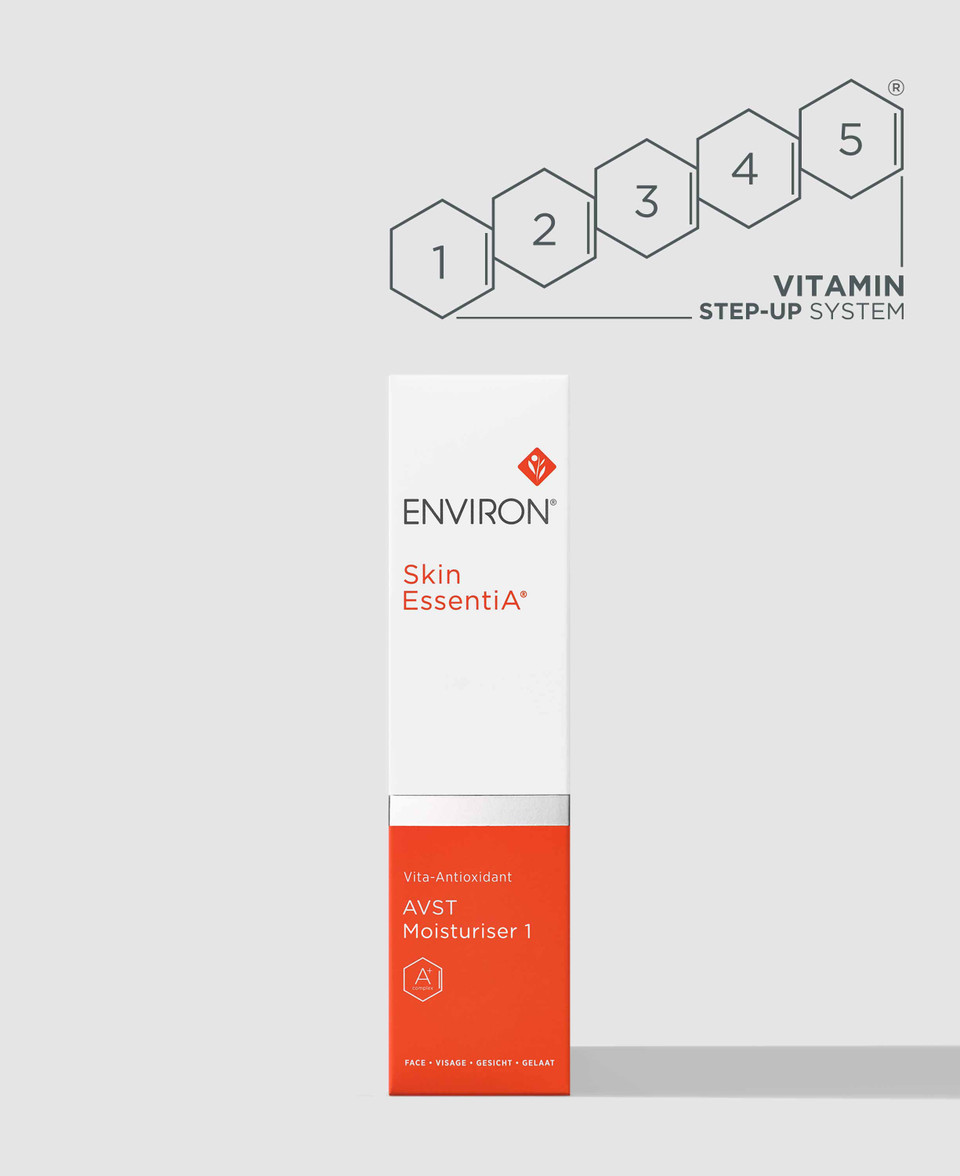
Retinoids are powerful ingredients and when used without care and knowhow, they can have frustrating side effects. When applying the wrong dosages too quickly or inconsistently, many people experience redness, dry and scaly skin, itching, burning and ultraviolet sensitivity.4 For this reason, it is very important to manage and slowly increase your intake. This is why The Malvern will always recommend a carefully managed step-up program, like the Skin Essentia® Vitamin step-up system produced by the Environ Skincare Institute.
There can be many factors to consider when choosing the right moisturiser for you. Some people may find that serums or gels provide a better consistency than creams for their skin. Vitamin C can also be beneficial for brightening and reducing discolouration. We work with many products produced by the Environ Skincare Institute both in clinic and at home, each with different formulations for different uses. Whilst the AVST step-up system is our recommendation as the best all-round place to start, never hesitate to ask in clinic for a specific recommendation.
Sunscreens
The most important part of every skincare routine. Sunscreens are not only important for protection against sunburns and skin cancer, but are a also a powerful tool in the prevention of rapid skin ageing and sun-related lesions and hyperpigmentation.
It can be difficult to decipher what sunscreen labels like SPF and "physical" or "chemical" barriers mean. Here are some things that might be helpful to know:
The SPF (sun protection factor) scale is not linear. An SPF of 15 offers protection from about 93% of UVB radiation, while SPF 30 blocks 97% and SPF 50 blocks 98%.5 Very high SPF is often not required or beneficial.
There is a common myth that SPF protects you for certain time periods, and that a higher SPF allows you to stay in the sun longer without reapplying. SPF does not directly relate to the amount of time you can safely be exposed to the sun.6 All sunscreens should be reapplied regularly.
Chemical filter sunscreens use compounds like avobenzone and octocrylene to absorb UV rays. There have been fears that some of these chemicals could have harmful effects but this evidence is limited. The main problem with these types of chemical filters is that they can cause skin sensitivity and are often comedogenic (which means they clog pores).7 Physical or mineral filter sunscreens use metal oxides to form a physical barrier on top of your skin that reflects UV rays. These filters are less likely to cause skin irritation.8
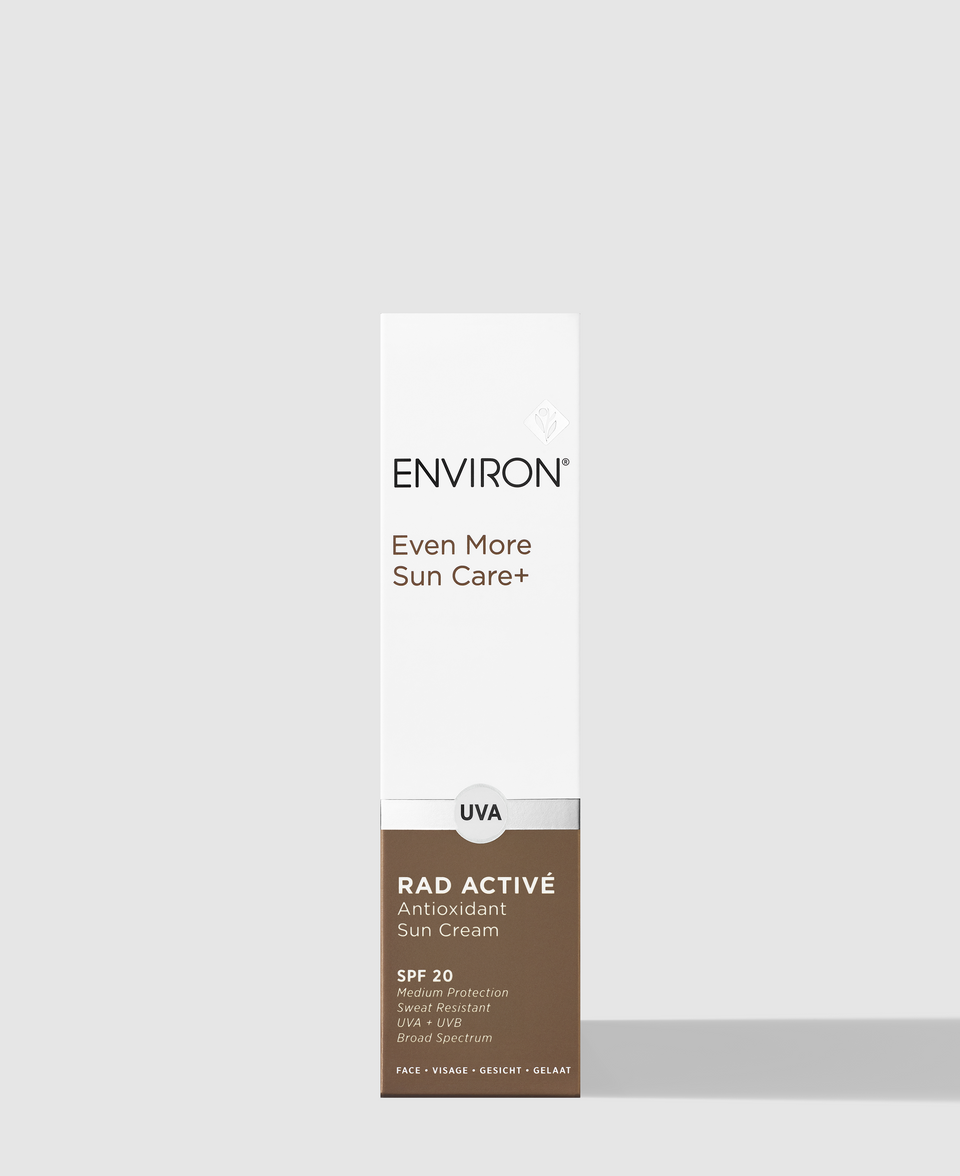
For almost every sunscreen, making sure you wear it daily and apply enough is more important than the SPF or any other rating. For daily use, we recommend the RAD Activé Antioxidant Sun Cream SPF 20. This physical filter sunscreen offers essential daily broad-spectrum UVA + UVB protection with high antioxidant power, clinically proven to defend against free-radical damage. Importantly, it is also very lightweight and breathable, which means you really can wear it every day.
Cleansers
Freeing our faces from all the pollutants and dirt of modern life without stripping our skin bare often feels like an impossible challenge. The best cleanser for you may be stronger or more gentle, but finding this balance will make your skin much happier and easier to keep healthy. At the clinic we will sometimes recommend very gentle cleansers for sensitive or dry skin, but we may also recommend a more intense product with ingredients like salicylic acid for acne prone skin. Confusingly, sometimes oily or 'clogged' skin requires more gentle cleaning and can even be the result of aggressive cleansers.
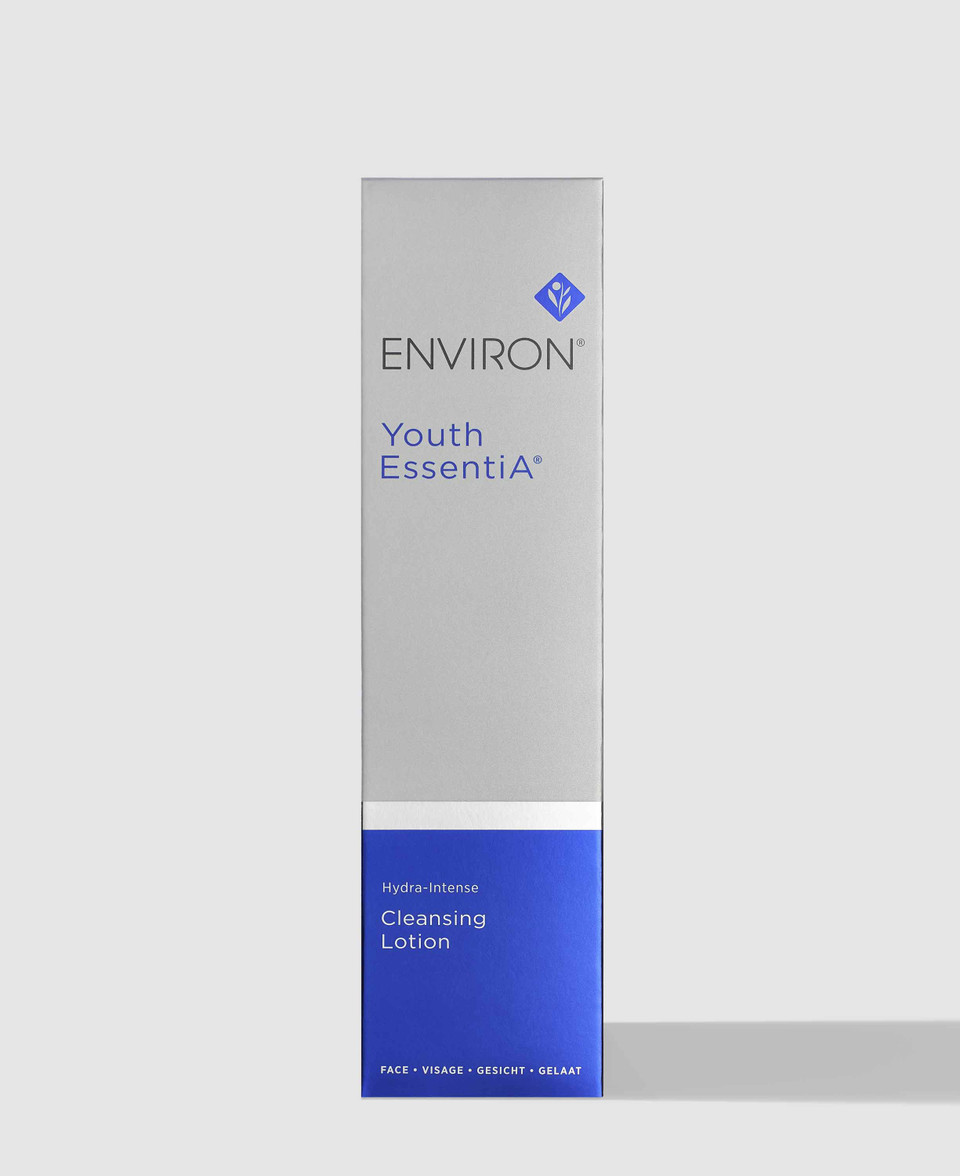
If you are struggling with cleansing your skin, please ask in clinic for a specific recommendation and we may be able to help identify the problem. For general use, we usually recommend the Environ Skincare Institute Hydra Intense Cleansing Lotion. It is the most popular cleanser at the clinic, often praised for its very calming effect. It contains Olive Oil Esters, Hydrolysed Oats, and Panthenol (Pro-Vitamin B5) which help moisturise the skin and calm redness and inflammation.
Makeup
Makeup is often seen as harmful, or at least unhelpful, to healthy skin. Various studies have linked many cosmetic ingredients to a range of harmful outcomes for skin health and overall health.9 On top of this, cosmetic products are often poorly tested and poorly regulated.
We have recently finished testing and trialling the International Institute for Active Ageing's "Et Al" makeup range, which has received dermatological and medical oversight from Dr. Gaby Prinsloo. You can read a summary of our findings below:
All Et Al products have undergone dermatologist testing far beyond industry standards. Products are sensitiser free, allergen free and non-comedogenic, which means they’re specifically designed to keep your pores clear.
Their foundations contain essential vitamins and broad-spectrum UVA/UVB sun protection.
Their primers protect against atmospheric pollutants and contain a chemical called Alpha Glucosyl Hesperidin which has been repeatedly proven to improve microcirculation and reduce inflammation.
All products are 100% Vegan, cruelty free and all packaging is either refillable, or recyclable.
When regulations and testing are often so limited, we have been really pleased to find such positive results. The Et Al range is used daily by The Malvern's clinic practitioner, Yvette Guthrie. Feel free to ask for thoughts and advice the next time you are in clinic.
Final Thoughts
There really is no one right product for everyone. We all have different skin and different lives. Finding the right products for you can be frustrating but we are always here to help. If you have any questions or want any specific advice, never hesitate to get in touch with us via email or ask next time you are in clinic.
- Motamedi, Melika et al. “A Clinician's Guide to Topical Retinoids.” Journal of cutaneous medicine and surgery vol. 26,1 (2022): 71-78. https://doi.org/10.1177/12034754211035091
- Mukherjee, Siddharth et al. “Retinoids in the treatment of skin aging: an overview of clinical efficacy and safety.” Clinical interventions in aging vol. 1,4 (2006): 327-48. https://pmc.ncbi.nlm.nih.gov/articles/PMC2699641/
- ibid.
- Armitage, Hanae. "Does retinol deserve the hype? A Stanford dermatologist weighs in" Stanford Medicine news center (2020). https://med.stanford.edu/news/insights/2020/08/does-retinol-deserve-the-hype-a-stanford-dermatologist-weighs-in.html
- Williams, Sarah. "Sunscreen fact and fiction: What the science says" Stanford Medicine news center (2025). https://med.stanford.edu/news/insights/2025/06/sunscreen-science.html
- Center for Drug Evaluation and Research. "Sun Protection Factor (SPF)" U.S. Food and Drug Administration (2017). https://www.fda.gov/about-fda/center-drug-evaluation-and-research-cder/sun-protection-factor-spf
- Williams. "Sunscreen fact and fiction" (2025).
- ibid.
- Alnuqaydan, Abdullah M. “The dark side of beauty: an in-depth analysis of the health hazards and toxicological impact of synthetic cosmetics and personal care products.” Frontiers in public health vol. 12 1439027. 26 Aug. 2024. https://pmc.ncbi.nlm.nih.gov/articles/PMC11381309/
The Malvern Team
29 May 2026